Online entertainment has become part of normal digital spending. People pay for subscriptions, games, live content, add-ons, account features, and small upgrades from the same phone they use for banking and shopping. That makes the line between entertainment and personal finance easier to miss. One small payment may seem harmless. Several small payments across a month can become a real budget item. A better habit starts with knowing where money goes, how account access works, and which payment details stay saved after the first visit.
Spending starts before the payment screen
Many users think about money only when a payment form appears. That is too late. Spending behavior begins earlier, when someone opens a platform, checks the available sections, and decides whether the site feels easy enough to use. Clear navigation can help users understand what is free to browse, where account access begins, and which areas may involve payment-related steps.
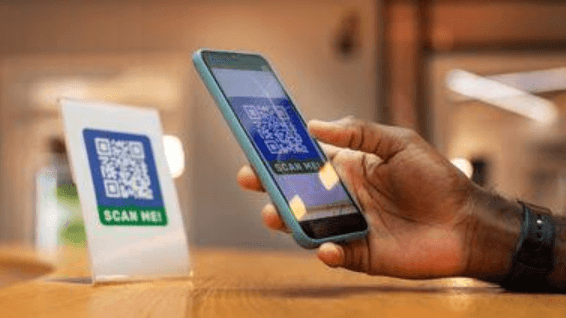
Some users start here when they want to scan an entertainment platform and see how its main areas, browsing paths, and account sections are arranged before going further. That first look matters from a finance angle. A platform that shows its structure clearly helps people make slower, better choices. It gives visitors time to understand the space before entering details, saving cards, or making quick decisions.
Small payments are easy to ignore
The biggest problem with digital entertainment spending is not always one large payment. It is the small payment that feels too minor to track. A few dollars for access, a small top-up, a trial that renews, or a saved card used again later can slip past attention. The charge may be valid, but the user may not remember why it happened.
This is why entertainment spending should be treated like any other online purchase. It belongs in the budget. It should appear in banking records. It should be reviewed at the end of the week or month. People often track rent, groceries, and fuel carefully, then ignore digital charges because they feel casual. That habit can distort the real picture of spending.
A simple rule helps: if a platform can charge money, it deserves the same attention as any shopping app. That does not make entertainment negative. It just keeps the user in control.
What users should check before paying online
A safer payment habit does not require complicated tools. It starts with a few checks before entering card details or confirming a transaction.
- Check whether the payment page uses a secure connection.
- Read what the charge is for before confirming.
- Avoid saving card details unless there is a real need.
- Use spending alerts from the bank or wallet app.
- Review account settings after the first payment.
- Keep screenshots or emails for unfamiliar charges.
- Set a monthly limit for entertainment spending.
These steps reduce confusion later. They also make it easier to notice unwanted renewals, duplicate charges, or payments made too quickly. The best time to prevent a money problem is before the payment method is stored.
Account design affects spending behavior
Entertainment platforms can shape how users spend. If the account area is clear, users can find payment settings, view activity, and change preferences without stress. If the account area is buried, people may forget what they turned on. They may also struggle to remove saved details or understand how a charge was created.
Good account design should make money-related actions easy to recognize. Payment sections should not look like normal browsing sections. Confirmation steps should be direct. Users should know when they are still exploring and when they are about to complete a financial action.
This matters because many entertainment visits are short. A person may open a platform during a break and make a decision in seconds. The page should not take advantage of that speed. A clean account flow gives users room to pause and check what they are doing.
Saved cards need extra attention
Saved payment details are convenient, but they also make spending faster than people expect. The second purchase is usually easier than the first. That can be useful for trusted services, but it can also lead to careless repeat spending. When the card is already stored, the barrier is lower.
Users should review where their cards are saved. Old entertainment accounts, trial services, and platforms used once can remain connected to payment methods long after the user forgets them. Removing saved cards from rarely used accounts is a simple way to reduce future risk.
Bank notifications also help. A real-time alert makes every charge visible. It turns a hidden digital payment into something the user sees immediately. That small reminder can prevent repeated spending from becoming invisible.
Better entertainment spending feels controlled
Digital entertainment should be easy to enjoy without becoming hard to track. The healthier approach is not to avoid online platforms. It is to use them with clear money habits. Browse first. Understand the account path. Read payment screens. Avoid saving cards without a reason. Review charges before they become part of the background.
Good platforms support that behavior by making sections clear, loading quickly, and keeping account steps understandable. Good users support it by treating small digital payments as real spending. When both sides work together, online entertainment feels lighter and more controlled. The result is simple: people can enjoy quick access, games, live sections, and digital content without losing sight of their budget.